Tynt Speedshare bar

從入口文章出發 最有效地吸收資訊

此為最快速最有系統地利用本網站!此入口文也會隨著新文章增加而經常更新!

全世界的股市走勢 不是跟美國走 就是比美國還弱

投資股市之前,請務必了解到一個殘酷現實,美元已將全世界股市綁在一起 美國以外股市皆程度不一地複製美國走勢 僅有少數國家可以例外

美股和全世界股市走勢連動程度 關聯度竟然高達93%

看盤與操作的觀念要因此而做調整,因為全世界股市都是跟著美股走,台股更是美股的落後指標。更多細節請看我.

印鈔票終將無可避免地產生通貨膨脹 糧食原物料大漲的真相為何

在糧食與原物料,通貨膨脹已經大到無法忍受,而經濟學家仍然在怪罪氣候異常、投機炒作,到底什麼是真正讓它們上漲的主因?請看

黃金已經即將整理完成 馬上要大漲 黃金最後的買進機會稍縱即逝

黃金的走勢分析,及目標價,2008年的拉回整理 現在又再次歷史重演,想讓手上的資產能真正的保值並成長的人,您不能錯過

顯示具有 Peter D. Schiff 彼得希夫 中文 標籤的文章。 顯示所有文章

2012年7月23日 星期一

彼得希夫youtube影片中文翻譯-美國將崩盤 比次級房貸危機及現在歐債風暴更慘烈America Heading Towards a Collapse Worse Than 2008 AND Europe! Says Peter Schiff


此為最新的雅虎財金(Yahoo Fiance)2012/7/17訪問彼得希夫Peter Schiffyoutube影片及其中文文字翻譯。為避免涉及侵權,所以影片台詞中文文字翻譯在下,而不是直接內嵌在youtube影片中。

America Heading Towards a Collapse Worse Than 2008 AND Europe! Says Peter Schiff


[翻譯開始]

主持人:某些人認為現在還OK
但現在已經有人發現地平線的一端有烏雲開始悄悄升起了,
那個人說,即將來臨的烏雲將令美國比2008年還要糟,
而且這個人早在2008年以前,就已經預測到了2008年次級房貸崩潰的來臨,
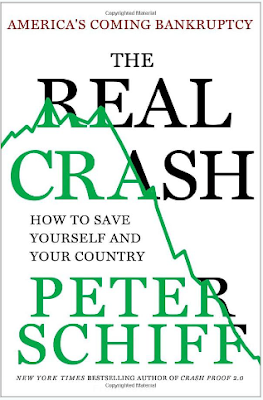
這個人是誰? 他就是The Real Crash的作者,Peter Schiff
書名副標是,怎麼樣保護你自己和你的國家。
讓這個人來告訴我們美國到底會怎麼樣

主持人:2008年我們美國的股票崩盤了60%
同時也有很多銀行破產倒閉,
然後失業率也竄升。
這個慘狀真的是很難看,
你認為我們還會再更糟?
怎麼有可能會更糟?
若真的更糟,那是什麼樣的情境?


彼得希夫(Peter Schiff): 會變得比更糟還慘,是非常非常大的更糟,
特別是因為所有政府所做的事情,
用人為刺激經濟的方式,來解救2008年金融危機的爛攤子,
政府出動救援,於是印製大量的鈔票,紓困銀行業,
人為硬撐住房地產市場,
製造出許多兆美元額外的負債,
所以我們可以繼續拿著印出來的鈔票,
繼續去消費去購買我們根本就付不出錢的東西,
我們所做的事情都只是拖延時間,
我們所做的都只是延後和全世界結清算總帳的那一天,
但為了要做這樣的延後結清算總帳,
我們讓骨子裡的問題更嚴重地惡化,
讓美國和全世界結清算總帳的那一天無可避免,
所以,是的,下一個崩盤即將到來!
不管下一個崩盤是2013, 2014, 或更晚一點點,
這個時間點很難說,
預測一件事情發生的準確時間點,
比預測到那件事情一定會發生,要難得多,

但是我們有一個更大的崩盤要來臨,
不只是股票市場要崩盤,是整個美國經濟要崩盤,
就好像你現在看到歐洲的慘狀一樣,
而且美國的版本只會更糟!


主持人:好吧,那種美國的慘狀到底會是怎麼樣?
痛苦要來臨了,
我們知道我們的政策將帶領我們通往那條悲慘之路,
在這種廣泛性的恐怖經濟情況之上,什麼是人們可以預期的?
你可以指出慘狀的更明確資訊嗎? 房子價格會再大跌一次?
股票崩盤?


彼得希夫(Peter Schiff): 你要試著去找出最有可能的時間架構,當然,
總有許多你很難預期的,超出你控制的未來變數會影響它,
但我會說,美國經濟仍持續在惡化,
FED聯準會最終也一定得要QE3
QE3絕對不會有效,因為QE3絕對不會讓強化經濟,
QE3只會令美元貶值,而美元貶值之後,
將會令所有進口貨物價格變貴,所有原料價格,
將會令美國企業的毛利率下降,
企業將會用降低產量、裁減員工來因應,
還有提高產品售價,
所以你將可以看到失業率上升,還有通貨膨脹也跟著上升,
將會令政府財政赤字壓力更大,財政赤字還會再更擴大,
原因是政府將收到更少的稅收,
以及物價上漲而政府開銷也勢必得要付出更多,
收更少稅和開銷更大兩者會同時發生。

最終,國債殖利率一定會開始飆升,
於是導致政府更難去將龐大的國債繼續再融資下去,
然後,經濟再變更差,
於是我們又會再有更進一步的QE
然後美元有更大的壓力去下跌,
然後剛剛上面這一整個循環週而復始,延續不斷,


最後,我們將有一整個危機,也就是我們俗稱的,
貨幣危機、主權債務危機,
你將會在那時看到美元暴跌,
消費者物價指數真的大幅走高,
利率大幅飆升,
那就真的是很有趣了,
因為那就是我們真的來到了我們的財政懸崖了,
因為那時我們要不是要砍,我的意思是,大砍,
在所有可能的地方大砍政府開銷,
或者是重整我們的債務,包含對我們的美國公債耍賴,
我們的美國公債連一毛錢都不再償還了,
對那些領有社會福利、失業救濟金
及所有有權利領津貼退休俸、退休金的所有美國老百姓誠實地說,
他們不可能再拿到那些政府原先答應要給他們的錢了,
政府員工將會被減薪,
許多政府員工將會得要去私人企業找工作,
銀行將會倒閉,
存款戶們將會失去他們的存款,
不是只有投資者會倒楣,
是存款者也一樣會倒楣,
房地產市場又再將大跌一次,
我們將得要讓FannieFreddie破產,
以及FHA也不再給它紓困,


或者乾脆,我們可以紓困全部的人,
我們是可以用印鈔機,從災難當中,""出一條血路,
但是這樣我們就會有失控的通貨膨脹,惡性通貨膨脹發生,

我們若不能在最終日前做對的事情,我說的對的事情是指讓這些債務火藥趕緊引爆。
雖然說這樣會經濟崩盤,

但若我們是用紓困全部人,印鈔機印出一條血路的這種錯誤方式,
我們將會比經濟崩盤還要更慘,我們會惡性通膨。


主持人:當整個美國經濟已經要撞車時,
人們可以把他們的錢藏在哪裡?


彼得希夫(Peter Schiff):  嗯!在任何你可以藏的地方之中,
最糟的地方,就是美國公債!
或是任何以美元計價的債券,或負債工具,
到期日越長,你就越有可能會輸錢,
30年期公債比10年期公債差,10年期公債比2年期公債差,
再重申一次,
任何與美元有關的東西,
即便是在你的投資矩陣裡擁有的美元(引申為隱藏性、計價性的美元負債或資產)
你都將會輸,
因為你的美元將不會給你,你所期待的購買力,
你要知道,金融市場中最慘重的傷亡,
都將發生在美元貨幣上,
以及以美元計價的任何債券、政府公債、地方債、公司債、信用市場等負債工具,
你在股票市場會輸比較少,
在股票市場上的人,
輸的錢將完全沒辦法和任何以美元計價的債券的損失相提並論,
但是個別公司的股票好壞差異很大,
某些公司仍然會破產的,
你要特別注意你所持有的公司股票的類型,


我偏好投資國際級的美國公司股票,
那些美國公司是出口到美國以外的地方的,
那些美國公司不是賺美國人的錢,而是賺外國人的錢,
那些美國公司有全球性的足跡,
這些外銷的美國公司,將會受惠於崩盤弱勢的美元,
特別是外銷到新興市場的美國公司,


另外,特別是黃金和白銀,
若你還沒有擁有任何黃金和白銀,
你應該要買一些,
這恐怕是黃金和白銀的最後一次低檔買進機會了,


我認為黃金採礦類股,貴金屬採礦類股,
那裡有許多投資機會,
在這整個貴金屬採礦類股當中,
現在你擁有在這十年來非常難得的,
因他們價格被低估而產生的買進機會,

儘管話說如此,主流的投資大眾們,對黃金白銀及採礦類股,
根本就都還沒有開始採取任何行動,
黃金白銀還有黃金採礦類股就是攀爬恐懼之牆在上漲的,它們也延續了很長一段期間,
我們還有非常漫長的上漲要走,即便在恐慌發生前也一樣,


主持人:時機是很難掌握的,
但是大家,風暴已經來臨了,
現在是時間準備好,繫好安全帶,
或許買進一點美股中國際級的外銷公司,
或是買進一些黃金白銀貴金屬,
來保護好你自己的資產安全,
這就是The Real Crash:How to save yourself and your country作者彼得希夫(Peter Schiff)給我們的建議!

[翻譯結束]

以下是該網頁原文轉貼
(Courtesy of Yahoo Finace)

According to CEO and Chief Global Strategist of Euro Pacific Capital Peter Schiff, the U.S. economy is heading for an economic crash that will make 2008 look like a walk in the park. Stimulus programs can delay this day of reckoning, but only for so long and only at the expense of making the eventual meltdown much, much worse.

Schiff, who famously warned investors about the housing and financial crisis in his 2007 book Crash Proof, says the Fed's palliative efforts during the housing meltdown have made the next crisis inevitable.

"We've got a much bigger collapse coming, and not just of the markets but of the economy," Schiff says in the attached clip. "It's like what you're seeing in Europe right now, only worse."

In this nightmare scenario detailed in The Real Crash: America's Coming Bankruptcy, the current economic pause is actually the beginning of a material slowdown or recession into year end. At that point, the Federal Reserve will unleash a third round of Quantitative Easing — weakening the dollar without jump-starting the economy. As a result of dollar weakness, import prices rise, pressing the margins of corporate America. Lower margins lead to heavy layoffs, sending millions of workers into unemployment during a time when they can least afford it. Banks fail, housing collapses, and taxes are raised in a futile effort to give the tapped-out government the capital to try yet more futile stimulus.

"That's when it really is going to get interesting, because that's when we hit our real fiscal cliff, when we're going to have to slash — and I mean slash — government spending," says Schiff.

Those cuts will not be at all unlike the draconian austerity measures in Greece, with programs like Social Security and Medicare being dramatically cut or possibly disappearing entirely. The easiest way to put it, is that everything you don't think could possibly happen in America will come to be.

"Alternatively, we can bail everybody out, pretend we can print our way out of a crisis, and, instead, we have runaway inflation, or hyper-inflation, which is going to be far worse than the collapse we would have if we did the right thing and just let everything implode," he offers.

So what should investors do to protect themselves? Schiff has three suggestions:

1. Get Out of Treasuries

The U.S. dollar is going to get trashed in Schiff's scenario. Locking in a yield on a government 10-year bond of 1.5% is a paltry return in the first place. Should inflation tick up to even 5%, a level much lower than that seen in the early 1980s, bond owners would have 3.5% less buying power at the end of every year. If they go to sell the bond, they'll only find buyers at a much lower price than what they paid.

2. Own the Right Stocks

With bonds and the dollar bearing the brunt of the pain, Schiff says stocks will outperform dramatically, provided you own the right ones. Exporters and multi-national corporations will benefit from a weak dollar. Better still would be to buy foreign stocks and avoid the U.S. entirely.

3. Buy Silver and Gold

Schiff says the recent weakness in these precious metals is just a pause as we wait for the other shoe to drop. Most of those on Main Street haven't even taken positions yet in gold or silver. Once they start dropping bonds and looking for a place to hide, the price of these metals will soar.

Are you preparing for a major U.S. market and economic meltdown? Let us know your thoughts on our Facebook page.
看完後,若對您有一點點幫助,幫小綠按個讚,讓小綠知道吧!感謝您!

2012年7月15日 星期日

美國真正的財政懸崖 The Real US Fiscal Cliff by Peter D. Schiff


圖片取自http://healthreformexplained.com/fiscal-cliff/
 
How an Economy Grows and Why It Crashes
Peter D. Schiff, Andrew J. Schiff
  • Hardcover: 256 pages
  • Publisher: Wiley; 1 edition (May 3, 2010)
  • Language: English
  • ISBN-10: 047052670X
  • ISBN-13: 978-0470526705

好書推薦
(以後有空再寫該書重點整理或書評)。


本文為彼得希夫(Peter Schiff)在2012/7月寄給其Euro Pacific Capital客戶之電子郵件中文章 “The Real Fiscal Cliff”中文翻譯
原文在本文的下方。

    媒體們最近都在關注美國財政懸崖”Fiscal Cliff”,一個新的主宰未來經濟走向的因素,一個美國即將在20131月面臨的問題。他們看到兩件事同時發生而令危險升高:在2011年中的債務上限國會投票中同意的2兆美元的自動減赤計劃即將啟動(分散於10年中),及布希減稅計劃到期即將結束。大部分記者們所相信的經濟學家們警告,上述自動減赤和減稅兩件事情的合併綜效,將導致經濟復甦遲緩,及導致經濟或許又將再衰退。雖然經濟體的確有值得讓我們擔心的地方,但是這個懸崖並不在我們注意事項的清單之中。

    大部分的恐懼,來自於政府開銷將產生經濟成長這個錯誤的前提上。人們常常忘記政府只能從課稅,或是印鈔票才能拿得到錢。沒有任何政府的開銷是免費的。政府借來的錢,不是從私人企業部門課稅來的,就是從私人企業部門借來的。但這些課稅來的或是借來的錢,若能留在私人企業部門,可以浪費更少,生產力更多。印鈔票僅只是產生通貨膨脹而已。是故,自動減赤計劃在被真正執行的範圍內,是會促進經濟成長,而非壓抑經濟。即便是共和黨的支持者們也常陷入政府消費可以刺激經濟這樣的迷思。但即便沒有這樣迷思的政客,也會盡其所能地去避免降低政府消費,以免讓原本的既得利益的人們受到損失。

    自動減低政府開銷計劃(自動減赤計劃)之所以會存在的唯一理由,是因為國會缺乏道德良心去辨明是非。我們可以保證國會絕對可以發明另外一些逃避的手段再次去擴大政府開銷。在自動減赤計劃開始之前就先自動撤銷這樣的減赤計劃,然後再研議一些後續的可笑赤字減低計劃。政客們在面對挫折時寧願選擇不行動,而非做對的事情惹來大眾爭議。在這個現實底下,只有極端少數的開銷會在2013被剔除,如果連僅僅一年的降低政府開銷都做不到,我們怎麼可能期待他們做連續十年的降低政府開銷計劃?

    另一方面,小布希時代的減稅即將終止(故相當於明年開始要加稅),這個衝擊比減赤計劃更難評估。加稅的負面效果可能會被降低政府借貸的正面效果所抵銷(假設加稅能真的增加政府收入),但加稅的負面誘因,特別是對儲蓄與資本投資的傷害,也很有可能會導致政府稅收不增反減,於是反而更加擴大政府預算赤字。

    還有另外一個問題,2013年時美國又要面臨一個極端危險的情況,一件債務緊身衣。美國背在身上的債務負擔,若面臨債券殖利率上升所產生的更大財政懸崖,這才是真正的財政懸崖,但沒有人在討論這個!

目前的國債為15.8兆美元(這只是有列預算的赤字,不知道錢在哪裡但早已花掉或替人擔保的負債,即沒列預算的赤字,已經來到119兆美元,實在可怕的天文數字。)美國已經有這麼恐怖的負債,但到現在還能勉強撐在這裡的唯一原因是,現在這些債務的利率非常低(大約只有2%),所以每年的利息負擔大約三千億美元。

    若照目前這樣的趨勢,在幾年內有預算的債務就會來到20兆美元。如果,只要債券殖利率回到歷史上正常的利率,5%就好。光是利息支出每年就需1兆美元。1兆美元這個金額是2012年全美國一年政府稅收的40%了。

    除了債務將無法應付外,更高的利率將導致經濟活動下降,因為反過頭來更加降低政府稅收,及增加相對應所需要的失業救濟等開銷。這會導致政府赤字更大,更加重利率上升的壓力,於是變成惡性循環。還有,國債的殖利率上升意味無風險利率上升,進而導致房貸車貸卡債利率等種種民間借貸利率飆高。這些飆高又會導致失業潮大舉爆發,而且很有可能令一波次級房貸的法拍屋潮又再出籠。我的看法是,若房貸又開始不穩,光是美國fannie mae and freddie mac這兩個政府擔保民間的房貸之損失,就至少幫美國政府赤字自動加上了數千億美元了!當您考慮所有以上的因素,我相信美國預算赤字會快速來到3兆美元,甚至超過。這些都只是一連串的骨牌效應,只要國債殖利率來到歷史上正常的,溫和的5%,美國就在劫難逃!

    如果僅只純粹的巨額赤字最後就可以導致債權人恐慌,5%的殖利率可以快速地上升到10%,就如同歐債恐慌快速蔓延一樣。那麼,在10%的殖利率時,全年的償還國債利息支出就已經等於所有的美國政府所有財稅收入的加總了。若是這種情況發生,美國要不是只能大砍預算開銷(包含那些很政治敏感,會影響選票的開銷如社會福利,失業救濟),對貧窮階級與中產階級同步加重課稅(當然富有階級會加課更多稅),或是乾脆對債務違約,或是狂印鈔票來支應進而導致惡性通膨,等到那時,這種慘狀,那個,才是真正的財政懸崖

    政府藉由如此高額的愚蠢借貸,在國債殖利率目前如此低時,就如同正在駕駛著一輛車,但政府這位瘋狂駕駛眼睛永遠只看後照鏡,不看前方擋風玻璃。許多年來,我早已警告大家金融危機會被房地產泡沫破裂所引爆。我的警告總是被人們忽略,因為人們總是先天性地假設一件事,房地產只會漲不會跌。我現在對人們的警告,說真正的財政懸崖就在眼前,也總是被人們忽略,因為人們也總是先天性地假設一件事,利率永遠不可能會上升,這和房地產永遠都會漲的荒謬迷信一模一樣,看看現在的歐洲,看看希臘,看看西班牙,再看看法國,如果歷史是我們的嚮導,我們應該了解到一個事實,目前的超低利率是一個短暫的例外,而非永恆的必然


The Real Fiscal Cliff 
By: Peter Schiff, CEO and Chief Global Strategist

The media is now fixated on an apparently new feature dominating the economic landscape: a "fiscal cliff" from which the United States will fall in January 2013. They see the danger arising from the simultaneous implementation of the $2 trillion in automatic spending cuts (spread over 10 years) agreed to in last year's debt ceiling vote and the expiration of the Bush era tax cuts.  The economists to whom most reporters listen warn that the combined impact of reduced government spending and higher taxes will slow the "recovery" and perhaps send the economy back into recession. While there is indeed much to worry about in our economy, this particular cliff is not high on the list. 

Much of the fear stems from the false premise that government spending generates economic growth.  People tend to forget that the government can only get money from taxing, borrowing, or printing. Nothing the government spends comes for free. Money taxed or borrowed is taken out of the private sector, where it could have been used more productively. Printed money merely creates inflation. So the automatic spending cuts, to the extent they are actually allowed to go into effect, will promote economic growth not prevent it. Even most Republicans fall for the canard that spending can help the economy in general. But even those who don't will surely do everything to avoid the political backlash from citizens on the losing end of any specific cuts.

The only reason the automatic spending cuts exist at all is that Congress lacked the integrity to identify specifics. Rest assured that Congress will likely engineer yet another escape hatch when it finds itself backed into a corner again. Repealing the cuts before they are even implemented will render laughable any subsequent deficit reduction plans. But politicians would always rather face frustration for inaction than outright anger for actual decisions. In truth though, only an extremely small portion of the cuts are scheduled to occur in 2013 anyway. If it comes to pass that Congress cannot even keep its spending cut promises for one year, how can they be expected to do so for ten?

The impact of the expiring Bush era tax cuts is much harder to assess. The adverse effects of the tax hikes could be offset by the benefits of reduced government borrowing (provided that the taxes actually result in increased revenue). But given the negative incentives created by higher marginal tax rates, particularly as they impact savings and capital investment, increased rates may actually result in less revenue, thereby widening the budget deficit.

In reality, the economy will encounter extremely dangerous terrain whether or not Congress figures out a way to wriggle out of the 2013 budgetary straightjacket. The debt burden that the United Stated will face when interest rates rise presents a much larger "fiscal cliff." Unfortunately, no one is talking about that one.

The current national debt is about $16 trillion (this is just the funded portion...the unfunded liabilities of the Treasury are much, much larger). The only reason the United States is able to service this staggering level of debt is that the currently low interest rate on government debt (now below 2 per cent) keeps debt service payments to a relatively manageable $300 billion per year.

On the current trajectory the national debt will likely hit $20 trillion in a few years. If, by that time interest rates were to return to some semblance of historic normalcy, say 5 per cent, interest payments on the debt would then run $1 trillion per year. This sum could represent almost 40 per cent of total federal revenues in 2012! 

In addition to making the debt service unmanageable, higher rates would depress economic activity, thereby slowing tax collection and requiring increased government spending. This would increase the budget deficits further, putting even more upward pressure on interest rates. Higher mortgage rates and increased unemployment will put renewed downward pressure on home prices, perhaps leading to another large wave of foreclosures. My guess is that losses on government insured mortgages alone could add several hundred billion more to annual budget deficits. When all of these factors are taken into account, I believe that annual budget deficits could quickly approach, and exceed $3 trillion. All this could be in the cards if interest rates were to approach a modest five per cent.

If the sheer enormity of the red ink were to finally worry our creditors, five per cent interest rates could quickly rise to ten. At those rates, the annual cost to pay the interest on the national debt could equal all federal tax revenues combined. If that occurs we will have to either slash federal spending across the board (including cuts to politically sensitive entitlements), raise taxes significantly on the poor and middle class (as well as the rich), default on the debt, or hit everyone with the sustained impact of high inflation. Now that's a real fiscal cliff!

By foolishly borrowing so heavily when interest rates are low our government is driving us toward this cliff with its eyes firmly glued to the rear view mirror. For years I have warned that a financial crisis would be triggered by the popping of the real estate bubble. My warnings were routinely ignored based on the near universal assumption that real estate prices would never fall. My warnings about the real fiscal cliff are also being ignored because of a similarly false premise that interest rates can never rise. However, if history can be a guide, we should view the current period of ultra low rates as the exception rather than the rule.


看完後,若對您有一點點幫助,幫小綠按個讚,讓小綠知道吧!感謝您!

2012年6月9日 星期六

葛林斯班 您說對了。美債 才是真正的危機!

葛林斯班在上週(2012年6月1日)接受CNBC訪問時表示,對美債的未來非常憂心


好書推薦:Peter Schiff新書 The Real Crash


The Real Crash: America's Coming Bankruptcy
Peter Schiff
Publication Date: May 22, 2012 

--But the day will come when the rest of the world stop trusting American currency, and our credit, then we'll get the real crash.

--My prescription at heart is this: we need to stop bail outs, government spending, government borrowing, Federal Reserve's manipulation of interest rate, and debasement of the dollar.


--America is already bankrupt, it's time we declare it.


--What they saw in 2008 and 2009, wasn't the crash, that was a tremor before an earthquake. The real crash is still coming!


林斯班,前聯準會主席。在他任內,不斷地用擴大貨幣供給、用政府介入、用產生更大泡沫的方式,來掩蓋住2000年股市泡沫的危機。他可說是目前柏南克所接手的這個爛攤子的頭號元兇,目前美困境的No.1全民公敵。

不過,葛林斯班卸任後,對他自己所留下的爛攤子,卻完全誠實地告訴大家,這個爛攤子,他比誰都清楚,比誰都了解。

狠腳色就是狠腳色,他卸任後所表示的種種意見,一針見血,把美國乃至於未來的危機,都說得非常清楚。拿兩位大師:葛林斯班跟巴菲特做比較,

巴菲特是做的或許能信,說的多半不能跟;而葛林斯班卻恰恰相反,葛林斯班是做的不能跟,但說的卻全是實話!

以下是葛林斯班所表示的重點:
1.他表示美國公債的30年期和5年期的利差,已經來到了史上最高點。而長期債券的利率,被人為壓低得非常厲害。

2.若有人認為債券可以一直維持在這麼低的利率。Good Luck!他提醒我們,1979年夏天,曾在三個月之內,殖利率從9%跳升到13%

3.葛林斯班說:”我希望我們不要像希臘一樣,市場現在對我們很包容,但他們遲早會對我們失去包容力

4.”若殖利率飆高,我們沒有替代計劃。

5.”即便在這麼低的殖利率下,仍然會有crowding out效果


小綠說:
1.葛林斯班說的內容,就跟小綠以前曾表示的一樣(請參閱下列多篇小綠的以前文章,以取得更完整內容:美國必將失去美元本位制特權 美債利率必將大漲, 長期利率絕對壓不住 黃金轉換成新貨幣時 爆發力更大, 若通膨來襲 怎麼辦? , 美國債務危機 到底有多可怕)

真正的問題,不是歐洲,是美國。歐債是煙霧彈,這個煙霧彈不但讓美債的問題暫時掩蓋下來,甚至還讓美元和美債受惠良多。但大家很快就會清醒,接二連三的新美債供應源源不絕,遲早會把美債的買盤給壓垮,美債的利率絕對壓不住,它遲早會飆高,而且絕對會失控,一但失控,就只有QE這條路可走!進而惡性通膨,沒有政客會選擇緊縮,只要還能印,就是會印到惡性通膨!


美債和美元,這才是史上最大金融危機,但這兩者現在竟然是大家的避風港!美債美元它們爆掉,會嚴重地影響全世界。歐債,只是這一連串債務危機的開始,但大家竟然跑到真正的危險地帶中避險。歐元歐債危險,大家竟然跑到比歐元歐債更危險的美元美債上去避險。歐元不能印,所以跑到能印的美元上避險”?歐洲國家承認過去開銷過大,開始緊縮,大家竟然趕緊跑到繼續像瘋子一樣亂花錢的美國去避險

能印的美元,竟然比不能印歐元的值錢。(供給無窮盡的,比供給有限的值錢?)
拼命借錢來花的美國,竟然比縮衣節食認真還債的歐洲,更被大家所相信?(不斷借更多的,竟然比要認真還錢的,更值得讓大家信任,把錢借給他?)

現在大家短線心態,投機心態實在是太強了,
強到完全喪失理智。
這些人就跟買Facebook IPO,想要在上市當天有高點就賣掉,結果從來沒有高點,直接崩跌。
或是跟買房賣房的house flippers,是一樣的心態。

美國會一直QE,直到美債和美元發生危機為止!
QE不是只是美國的一種付款方式而已,它已經是美國唯一的手段了。
這兩句話我還會一直講!

In QE We trust
我們信仰QE
沒招了,就只有QE這招!

美債危機還沒爆完之前,前面的不管是歐債危機、日債危機、中債危機,都不是真正的危機,都只是序曲,主旋律還沒上


2.上個禮拜五,六月八號柏南克的演說,市場根本沒有好好分析。柏南克說,只要經濟有需要,就會QE。它其實就已經暗示,一定會QE了,只是時間還沒到。能用口水拖時間,當然就口水戰術拖時間。拖到不行了再公佈。

或反過來說,只要經濟不好,他就會QE問題是,若經濟好,本來就不需要QE。當然是經濟不好,才需要QE。大家本來就是在等待,若經濟不好會不會QE。所以他說經濟不好會QE,就已經強烈明示我們,QE絕對沒問題了。


3.Crowding out:葛林斯班所說的排擠效果,指的是政府的財政政策,相當於排擠掉原來民間投資消費所需要的資金。於是財政政策無效。政府花錢,花的原本是可用於民間投資或消費的錢。於是財政政策未蒙其利,先受其害。政府拿錢來花,聽其來是刺激消費,其實不然,因為政府不先從老百姓手中拿錢過來,他沒錢花。若政府用印的,也是一樣的意思,政府用印的,表示他把所有老百姓的儲蓄,過來。用印的,跟用搶的,並沒太大差別。政客們普遍偏好用印的,因為這是最安靜地、最秘密地、最不被老百姓們發現的。物價飆漲後,大家還會怪罪富人、仇恨富人、怪罪奸商、怪罪投機客、怪罪石油、甚至還怪罪伊朗,就是沒人發現這全是政府幹的!


看完後,若對您有一點點幫助,幫小綠按個讚,讓小綠知道吧!感謝您!

Related Posts Plugin for WordPress, Blogger...
Twitter Delicious Facebook Digg Stumbleupon Favorites More